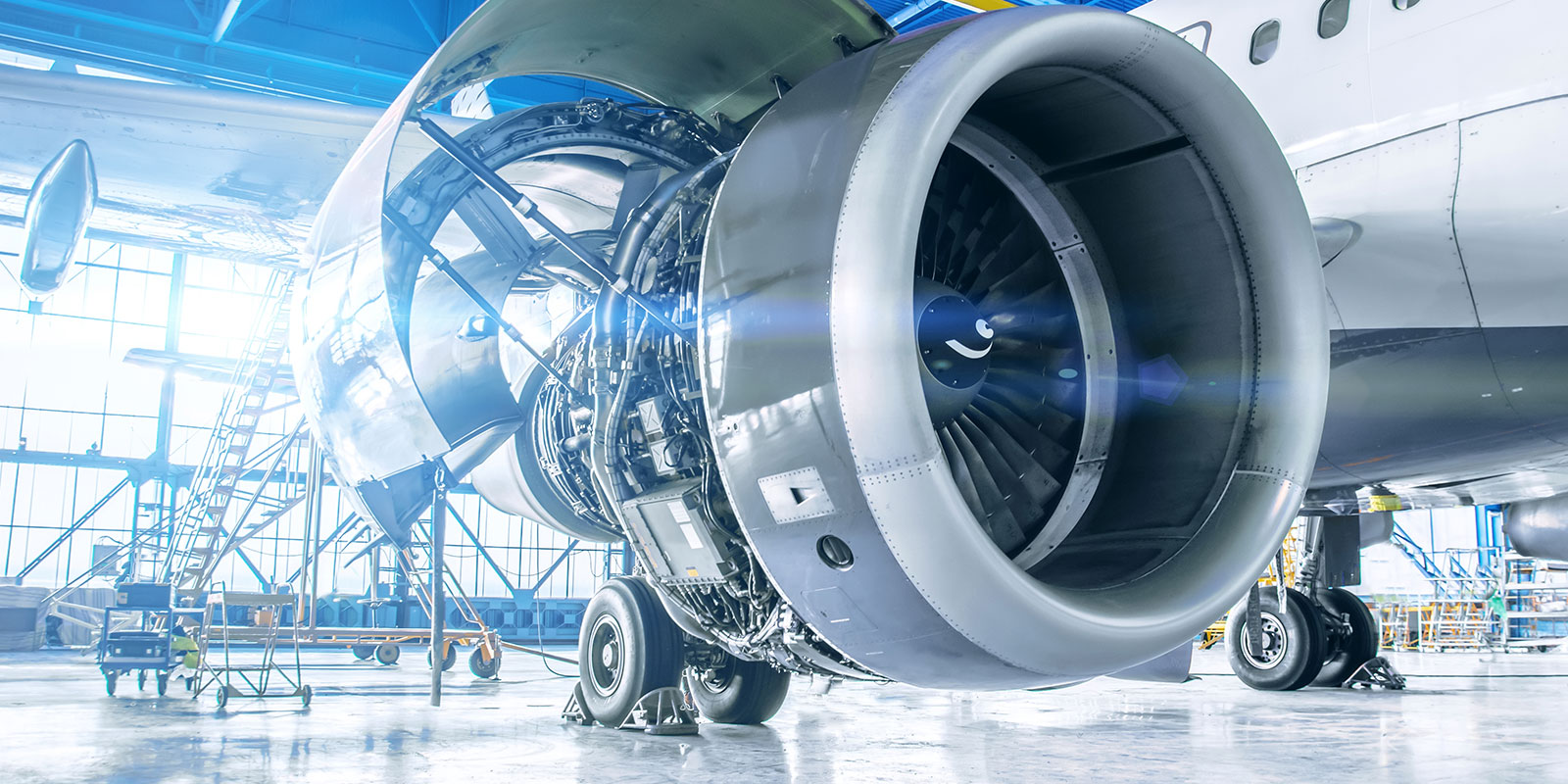
Precision Metal Solutions for Aerospace Materials and Manufacturing
We enable our customers in the aircraft and aerospace industry to accelerate performance and increase value through custom metal solutions engineered for safety and long-term reliability - even in harsh conditions of space.
Aerospace Segments We Serve
We provide high-performance metal solutions for key segments across the aerospace industry:
Metals for the Aerospace Industry
We offer a wide range of aerospace materials, including aluminum, stainless steel, copper, brass, bronze, and cobalt chrome, all produced and processed to the highest aerospace specs and standards.
Common Aerospace Applications for Aluminum
- Fuselage, wings, and tail sections
- Engine components and housings
- Landing gear
- Cabin interiors and seating frames
- Electrical systems and wiring
Aluminum’s low density reduces aircraft weight, improves load capacity, and enhances fuel efficiency. Additionally, its resistance to corrosion and fatigue ensures long-term durability in the varied and harsh conditions faced by aircraft in service.
Aluminum Advantages for Aerospace Applications
- High strength-to-weight ratio
- Excellent machinability
- Corrosion and fatigue resistance
- Cryogenic compatibility in select alloys
- Thermal and electrical conductivity
Aluminum Alloys for the Aerospace Industry
Heat treatment and alloying enhance aluminum’s mechanical properties, making it a versatile choice for a wide range of aerospace applications. Each alloy series offers unique benefits suited for specific performance requirements.
- Aluminum 2024 is one of the most widely used aerospace aluminum alloys. Alloyed with copper, 2024 provides an excellent strength-to-weight ratio and outstanding fatigue resistance. Aircraft designers commonly incorporate 2024 aluminum in fuselage structures, wing tension members, and other high-load aircraft components.
- Aluminum 6061 has excellent machinability, weldability, and strength-to-weight ratio. Primarily alloyed with magnesium and silicon, it’s commonly used in structural components like wings and fuselages.
- Aluminum 7075 gets its exceptional strength from being alloyed with zinc, making it comparable to steel. Manufacturers commonly use it for aircraft wings, fuselage frames, and other critical load-bearing structures. The alloy offers excellent fatigue resistance and is a go-to material in both aerospace and military applications.
- Aluminum 7050 provides superior corrosion resistance, toughness, and strength in thick sections. Manufacturers widely use it in structural aerospace parts such as wing skins, bulkheads, and fuselage frames, especially in military aircraft. Its resistance to stress corrosion cracking makes it a top choice for mission-critical applications.
Common Aerospace Applications for Stainless Steel
- Structural airframe components
- Engine and exhaust system elements
- Landing gear assemblies
- Precision fasteners and fittings
One of stainless steel’s greatest advantages is its exceptional corrosion resistance. Its chromium-rich composition creates a passive, self-healing oxide film that protects the material from oxidation and environmental degradation. This natural protection often eliminates the need for added coatings or treatments, reducing total lifecycle costs while enhancing component longevity.
Stainless Steel Advantages for Aerospace Applications
- High tensile and yield strength
- Corrosion resistance
- Fatigue and impact resistance
- Dimensional stability under thermal stress
- Strength-to-weight efficiency at reduced thicknesses
When maximum strength and fatigue resistance are essential, such as in landing gear systems or helicopter rotor blades, precipitation-hardening (PH) stainless steel is the preferred choice. These heat-treatable alloys deliver high mechanical strength and hardness while preserving corrosion resistance and toughness.
Stainless Steel Alloys for the Aerospace Industry
- Stainless steel 13-8 is known for its outstanding strength, fatigue resistance, and ability to maintain properties across a wide temperature range. Aircraft manufacturers commonly use this steel for structural components and demanding environments where mechanical integrity is critical.
- Stainless steel 15-5 combines high strength with excellent corrosion resistance. Manufacturers can be heat-treated to achieve varying hardness levels, making it ideal for high-stress aerospace components. Its performance under elevated temperatures and corrosive conditions enhances its versatility in aerospace applications.
- Stainless steel 17-4 is recognized for its balanced strength, toughness, and corrosion resistance. Manufacturers can heat-treat it to multiple hardness levels, offering adaptability in manufacturing. It performs well in high-temperature, corrosive environments, making it perfect for demanding aerospace uses.
Other common alloys for aerospace applications include stainless steel 304 and stainless steel 316. Manufacturers widely use these alloys in aerospace for their excellent corrosion resistance, formability, and reliability under thermal stress.
- Stainless steel 304 is one of the most used and versatile stainless steels. It provides excellent corrosion resistance, high strength, and good durability. Its ease of fabrication and oxidation resistance at high temperatures make it ideal for structural components and aerospace equipment.
- Stainless steel 316 contains higher levels of molybdenum than 304, enhancing its resistance to pitting and crevice corrosion. With excellent mechanical properties, weldability, and thermal performance, alloy 316 is a durable choice for components requiring superior corrosion resistance.
For high-volume aerospace component machining, we offer proprietary MAXX® (304, 316, and 17-4) and AccuMAXX® (304, 316, and 17-4) stainless steels, engineered for superior machinability, tight tolerances, excellent surface finishes, and reliable performance in aerospace applications.
Common Aerospace Applications for Red Metals
- Electrical systems
- Bearings and bushings
- Landing gear and actuator components
- Structural fasteners and fittings
Red Metal Alloys for the Aerospace Industry
- C954 Aluminum Bronze is a strong, corrosion-resistant alloy offering excellent impact durability. Its combination of strength and wear resistance makes it a reliable choice for aerospace components exposed to stress and vibration, such as bearings, bushings, landing gear parts, and structural hardware.
- C630 Aluminum Bronze combines high strength with excellent bearing and corrosion-resistant properties. This alloy also features self-lubricating qualities and excellent machinability. Its durability under heavy loads and resistance to wear make it well-suited for aircraft landing gear bushings, pump shafts, and structural components.
- C642 Aluminum Silicon Bronze offers corrosion resistance comparable to pure copper but with significantly higher strength. Due to its superior fatigue resistance and excellent machinability, manufacturers prefer C642 for aircraft parts, including landing gear components and structural hardware, where strength, formability, and long-term wear performance are critical.
Cobalt Chrome for Aerospace
Cobalt chrome alloys are critical for aerospace applications that demand superior strength, wear resistance, and high-temperature performance. Known for their exceptional corrosion resistance and biocompatibility, these materials are used in turbine engines, structural components, and high-stress assemblies where durability and precision are paramount.
Contact us to learn more about our available cobalt chrome alloys.
Our company's ongoing commitment to precision, traceability, and performance has made us a preferred supplier to airframe manufacturers and their subcontractors across North America.
Value-Added Processing Services
To help aerospace customers accelerate production and reduce total cost, we offer a variety of value-added services:
Supply Chain and Inventory Solutions
Backed by a strong logistics network and global supplier relationships, Copper and Brass Sales delivers scalable supply chain solutions tailored for the aerospace industry. We support a wide customer base, including major airframe manufacturers, Tier 1 suppliers, aerospace machine shops, and MRO facilities, with reliable material delivery and short lead-time fulfillment.
- Just-In-Time (JIT) Delivery: Coordinated deliveries that align with your production schedule to minimize material handling and on-site storage.
- Vendor Managed Inventory (VMI): Real-time inventory oversight to streamline procurement and reduce carrying costs.
- Custom Kitting Programs: Pre-packaged material kits assembled to your exact specifications, simplifying production workflows and reducing setup time.
- Service Level Agreements (SLA): Clearly defined metrics and service standards to ensure consistent, high-quality support.
Frequently Asked Questions (FAQ’s)
- What metals are most used in aerospace manufacturing?
Aluminum, stainless steel, and copper alloys are among the most used metals in aerospace applications due to their high strength-to-weight ratios, corrosion resistance, and performance in extreme conditions.
- Why is aluminum widely used in aircraft structures?
Aluminum is lightweight yet strong, making it ideal for reducing aircraft weight while maintaining structural integrity. It also offers excellent corrosion resistance and fatigue performance, contributing to improved fuel efficiency and durability.
- What are aerospace-grade or aircraft-grade metals?
Aerospace-grade or aircraft-grade metals are high-performance materials that meet strict industry specifications such as AMS, ASTM, and MIL standards. Manufacturers test these metals for strength, fatigue resistance, corrosion resistance, and other critical properties required in aerospace environments.
- What types of stainless steel are used in aerospace?
Common aerospace stainless steels include 13-8, 15-5, 17-4, 304, and 316. Engineers and designers choose alloys based on their strength, corrosion resistance, and ability to withstand high temperatures and mechanical stress.
- How are copper and bronze alloys used in aerospace?
Manufacturers typically use copper and bronze alloys in electrical systems, landing gear bushings, bearings, and high-wear structural components. They offer excellent conductivity, machinability, and wear resistance.
- What aluminum alloys are best for aerospace applications?
Aluminum alloys 2024, 7075, 6061, and 7050 are popular in aerospace for their strength-to-weight ratios and fatigue resistance. Each is suited for specific uses, such as structural components, wing skins, and fuselage frames.
- Are your metals certified to aerospace standards?
Yes. We certify our aerospace materials to industry standards such as AS9100 and ISO 9001. We also hold a CMMC 2.0 certification as well as delegated source acceptance from major OEMs and Tier 1 suppliers.
- What value-added services do you offer for aerospace metals?
We offer cut-to-length sawing, custom machining, precision fabrication, and other processing services to reduce production time and improve efficiency.
Have Questions? We’re Here to Help
Contact us today to find out how Copper and Brass Sales can help you find the best material and manufacturing solutions to suit your specific needs!
Just fill out the form below, and one of our experts will reach out to you. Whether you need a custom quote, guidance on the right material for your project, or more details on our wide variety of value-added services - we’re ready to assist you.